Canvas wall surface outdoors tents stimulate pictures of frontiersmen and safari hunters in centuries past, but they offer much more to glampers today. From personal privacy to fire-safe cooktop compatibility, these withstanding structures are more than simply sanctuaries.
Their upright wall surfaces maximize usable space versus dome or tunnel camping tents. They additionally include a system of poles to offer exceptional strength and resistance to high winds.
Beginnings
When we think about canvas wall surface camping tents, our minds typically wander to images of safari-style outfitter outdoors tents utilized by explorers and seekers in centuries past. This is no mishap, as these huge frameworks were greater than simply outdoors tents to frontiersmen and travelers - they were home. Giving ample space to keep gear, chef meals, and rest during lengthy days of exploration and searching or trapping, the canvas wall surface outdoor tents acted as an essential part of their lives.
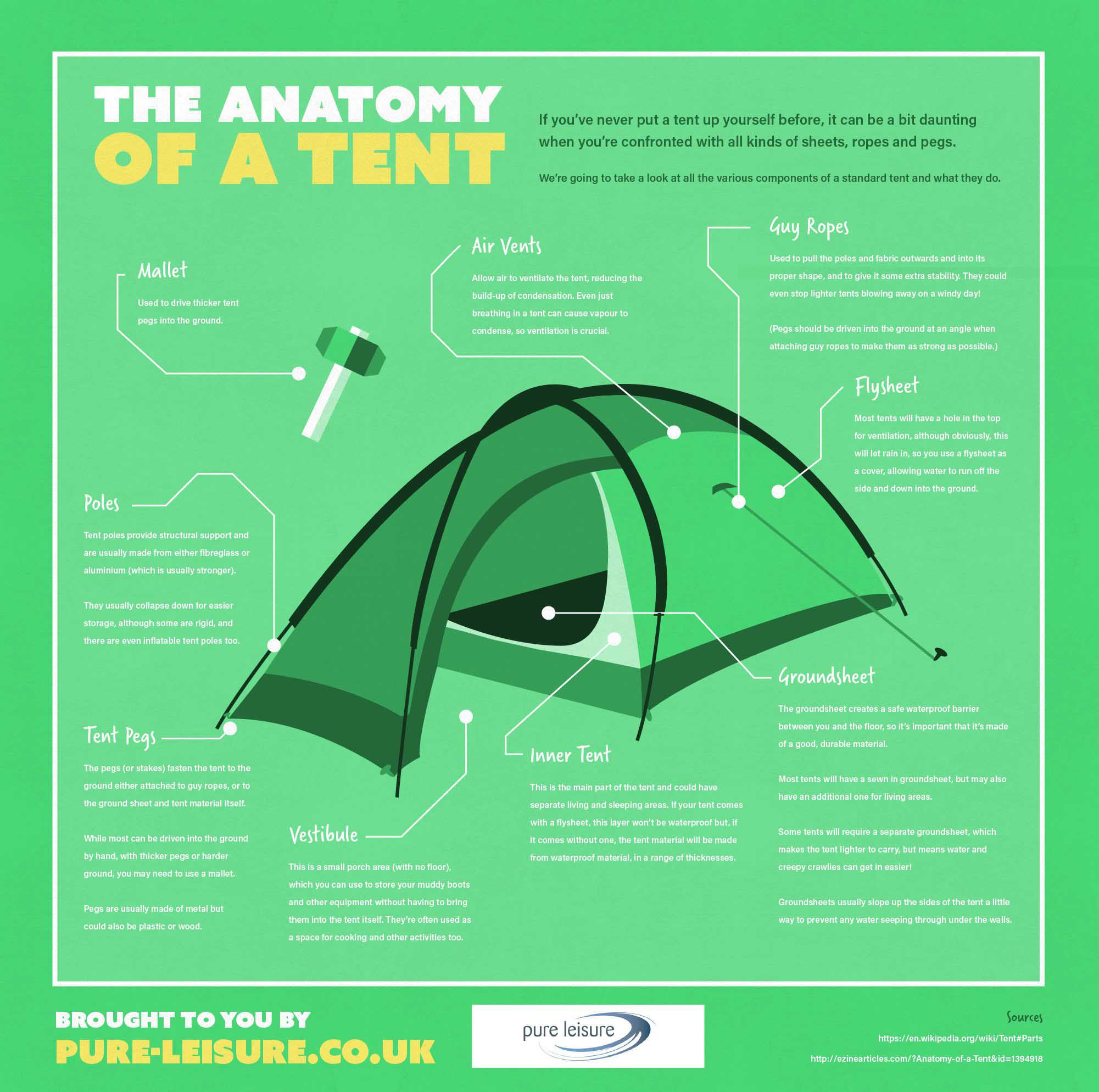
The tent's major supports, which rose from the ground like a teepee or yurt, needed to be both strong and light adequate to support the weight of the material sheets and hold up against high winds. Consequently, wood was frequently made use of for these poles, with oak, spruce, and want being especially typical alternatives. Canvas camping tents were secured to the ground with metal pegs, which additionally aided to maintain and manage the stress of the camping tent's canvas. This kind of setup was a necessity for seekers who traveled into tough backcountry terrain and severe problems in search of their prey.
Features
Canvas wall surface camping tents are tough and durable, created to withstand rough weather. Unlike nylon tents, which are typically vulnerable to mold and have a brief life expectancy, canvas is much more waterproof and much better shielded, making it suitable for backcountry hunting trips and long-lasting basecamp arrangements.
Historically, these camping tents were crafted by hand and embellished with heraldic sleeping bag elements, individual slogans, and symbols. The layouts worked as a form of self-representation and legitimization for the proprietors, along with a way to connect their standing and identification to others.
These styles additionally act as a tip of the sacrifices and efforts required to keep the homestead or encampment. The process of erecting these frameworks was a tiresome job that called for a group of skilled employees to complete. During this phase, the basic frame of wooden posts were erected, and then the heavy textile sheets were thoroughly stretched over them. Lastly, steel pegs were made use of to anchor the camping tents in the ground and to manage stress throughout the framework.
Designs
A natural sturdy material, canvas is renowned for its security in gusty atmospheres and premium toughness versus extreme conditions. Unlike synthetic materials that degrade over time, cotton canvas holds up to the elements for years of use and duplicated rigging, also in sturdy backcountry setups.
This is why these camping tents are preferred by seekers for extended backcountry remains. The rectangular framework and vertical walls optimize livable space and regular headroom for a comfortable basecamp.
These camping tents additionally make great music celebration outdoor camping accommodations and bohemian-style wedding event places, with zippered PVC groundsheets for easy cleaning up mud, sand and whatever various other messes your fuzzy buddies might track within. Lots of house owners also utilize canvas tents as extra multi-purpose spaces for children' slumber parties or yard glamping experiences.
Though historically, these outdoors tents needed a group of people to set up and were only made use of by hunters or nobility, canvas wall surface camping tents have actually ended up being more manageable for solo campers thanks to improved pole frames and easy-to-understand color coding.
Pros & Cons
The textile of canvas is unbelievably durable and can withstand severe climate condition. It is additionally breathable, enabling wetness to pass through it rather than develop inside your tent. This assists keep a comfy indoor environment in any environment.
Another advantage of a canvas wall surface tent is its insulation. This makes it easier to remain warm during cold-weather outdoor camping journeys. It additionally blocks out noise, so you can enjoy a quiet evening's rest also when the wind is blowing.
Nevertheless, there are a few disadvantages to think about with canvas wall tents. Initially, they are typically extra costly than conventional camping tents. They are likewise bulkier and much heavier, making them challenging to transport. In addition, they call for even more area to set up than various other kinds of camping tents. Thankfully, there are synthetic wall outdoor tents alternatives readily available that are a lot more budget friendly and light-weight. They do not provide the same durability, breathability, and tent-stove compatibility as cotton canvas, however.